
By Sithembile Mwamakamba, Director of Policy Research and Analysis, FANRPAN
As the world marks World Food Day 2026 under the theme “Innovate today. Nourish tomorrow,” Africa has much to celebrate.
Advances in agricultural research, innovation, policy development and regional cooperation are creating opportunities to strengthen food security, improve livelihoods and build more resilient food systems.
Recent evidence offers encouraging signs. According to the 2026 State of Food Security and Nutrition in the World, Africa's prevalence of hunger declined slightly from 20.3 percent in 2024 to 20.0 percent in 2025, interrupting an upward trend that had persisted since 2017. Although approximately 309 million Africans continue to experience hunger, this improvement demonstrates that progress is possible.
Accelerating this progress requires more than technological innovation. It calls for stronger institutions, evidence-informed policies, coordinated investment and partnerships that translate agricultural commitments into practical improvements for farmers and communities.
At the Food, Agriculture and Natural Resources Policy Analysis Network (FANRPAN), this understanding guides our work. Through policy research, multi-stakeholder dialogue, capacity strengthening and advocacy, FANRPAN connects evidence with policy and supports African countries in moving from commitments to implementation.
This approach is reflected in FANRPAN's work across several interconnected areas of food systems transformation, from strengthening seed systems and reducing post-harvest losses to building climate-resilient livestock systems. Each of these areas presents opportunities to improve food availability, strengthen livelihoods and enhance resilience. More importantly, they demonstrate how effective policies and institutions can help translate agricultural innovations into meaningful outcomes for farmers and communities.
Strengthening seed systems through institutional innovation

At the heart of agricultural production are the seeds that farmers plant. Access to quality, affordable and climate-resilient seed is fundamental to improving productivity, strengthening resilience and ensuring food security. Yet farmers' access to appropriate seed depends not only on scientific advances but also on effective regulations, functioning institutions and investment.
Through the Capacity Strengthening for Policy Implementation towards Improved Livelihoods and Local Agrifood Systems Resilience in Africa (CS-PILLAR) project, FANRPAN is demonstrating how institutional strengthening can support agricultural transformation.
In Eswatini, FANRPAN is supporting the revitalisation of the National Seed Committee, bringing together government, researchers, farmers' representatives, the private sector and civil society after several years of inactivity. The Committee provides a platform for coordinating seed-sector priorities, strengthening collaboration, and addressing policy implementation challenges related to seed production, quality assurance, and market access.
This experience demonstrates that innovation does not always mean introducing new technologies. Sometimes, it means strengthening the institutions that enable existing solutions to reach farmers.
FANRPAN reinforced this message at the inaugural Africa Seed Summit, held in Eswatini from 5 to 7 October 2026. Through its technical roundtable and high-level policy engagement, FANRPAN emphasised that improving farmers' access to quality seed requires more than new technologies or policy commitments. It requires effective institutions, efficient regulatory systems, regional cooperation and targeted investments that enable existing innovations to reach farmers and deliver meaningful benefits.
Reducing food loss and strengthening agricultural value chains

While access to quality seed lays the foundation for improved agricultural productivity, the benefits of increased production can only be fully realised when the food produced is effectively harvested, stored and brought to market. Strengthening seed systems must therefore go hand in hand with efforts to reduce post-harvest losses and improve agricultural value chains. This ensures that investments in agricultural production translate into greater food availability, improved farmer incomes and stronger food security.
Africa's food security future depends not only on producing more food but also on ensuring that more of what is produced reaches consumers.
Post-harvest losses reduce food availability, undermine farmer incomes and waste valuable agricultural resources.
Sub-Saharan Africa has the highest regional food loss rate globally. The FAO estimates that losses increased slightly from 22.1% in 2015 to 23% in 2023.
These figures cover losses from post-harvest handling, storage, transport, processing and distribution before retail. They exclude food wasted by retailers and consumers. Reducing these losses offers opportunities to improve food security, strengthen value chains and increase returns for producers.
Through its CS-PILLAR programme in Uganda, FANRPAN is working to address the policy and institutional barriers that contribute to post-harvest losses and limit farmers' ability to benefit fully from their production. The programme is strengthening collaboration among government, research institutions, farmer organisations and private-sector actors to identify gaps in existing policies, clarify institutional responsibilities and develop practical recommendations for improving post-harvest management.
By focusing on the enabling environment for improved storage, handling, processing, and market access, FANRPAN aims to support the wider adoption of proven post-harvest solutions, reduce food losses, improve farmer incomes, and build more resilient agricultural value chains.
Building climate-resilient livestock systems

Strengthening Africa's food systems requires attention not only to crop production and reducing food losses, but also to the livestock sector, which is equally important for food and nutrition security. Just as farmers need access to quality seeds, effective post-harvest systems and functioning markets, livestock keepers require access to animal health services, appropriate technologies, natural resources and supportive policies to sustain production and livelihoods.
Ensuring that both crop and livestock systems are productive, resilient, and well supported is therefore essential to building food systems that can respond to climate change while meeting Africa's growing food and nutrition needs.
FANRPAN is contributing to the strengthening of climate-resilient livestock systems through research, policy engagement, and institutional capacity strengthening, recognising the critical role of livestock in improving food and nutrition security, sustaining rural livelihoods, and strengthening household resilience.
In collaboration with the International Livestock Research Institute (ILRI) and UNIQUE, and with support from the Australian Centre for International Agricultural Research (ACIAR), FANRPAN is implementing the project Strengthening adaptive capacity of extensive livestock systems for food and nutrition security and low-emissions development in eastern and southern Africa. The initiative seeks to strengthen livestock keepers' ability to adapt to climate change while improving productivity, protecting livelihoods and supporting sustainable food production.
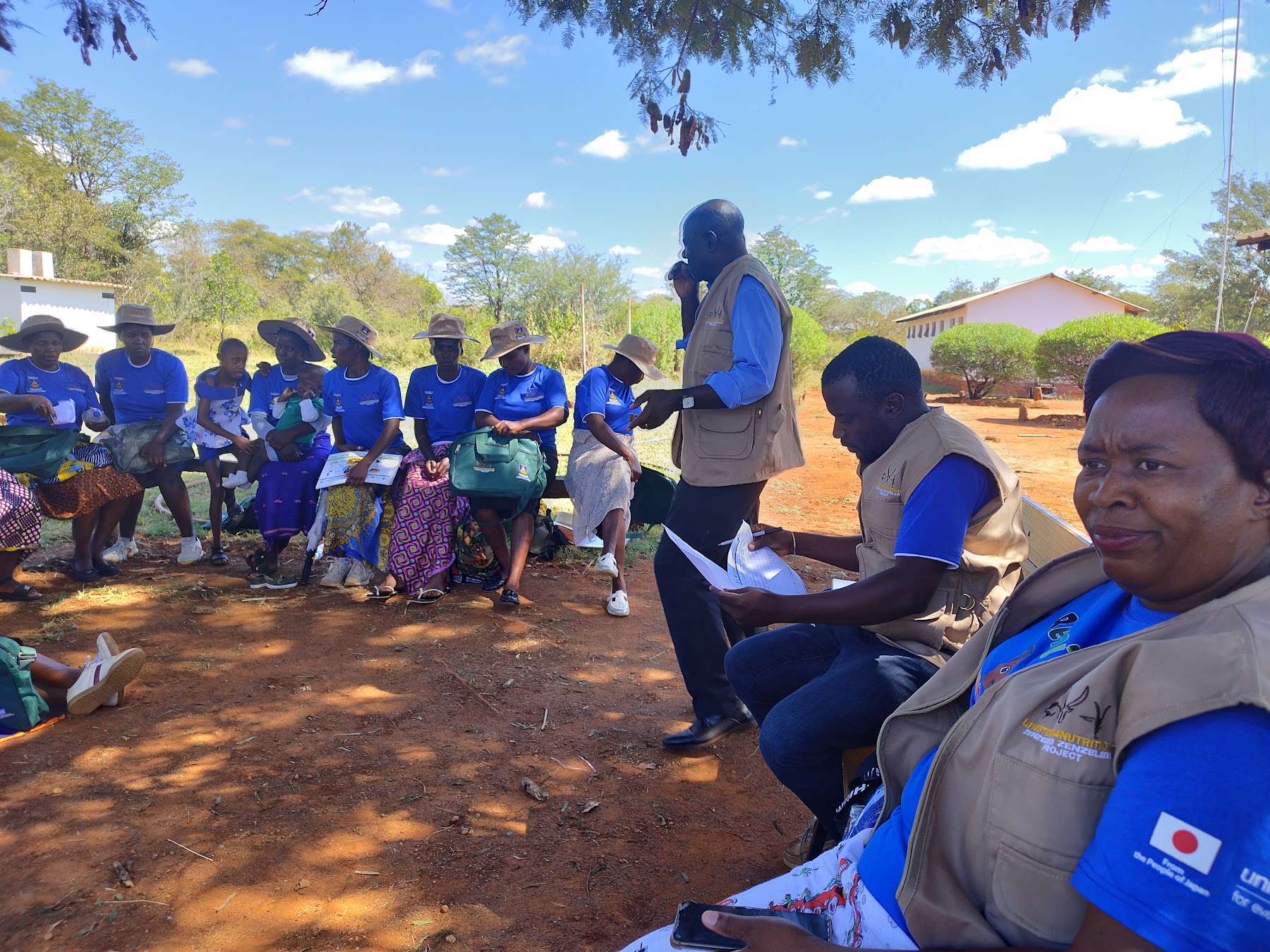
Recognising that healthy livestock are essential to productive and resilient food systems, FANRPAN is also addressing gaps in the delivery of animal health services. Through CS-PILLAR in Zimbabwe, FANRPAN is supporting efforts to formalise the role of Community Animal Health Workers (CAHWs) within the national animal health system.
By facilitating policy dialogue and institutional coordination, the programme is strengthening the recognition, training and integration of CAHWs into animal health service delivery, particularly in underserved rural communities. Improved access to animal health services can help smallholder farmers prevent livestock losses, maintain productive herds and safeguard an important source of food, income and household nutrition.
At the regional level, FANRPAN's 2026 SADC Regional Policy Dialogue reinforced the importance of coordinated Foot-and-Mouth Disease (FMD) prevention and control, stronger veterinary services and regional cooperation. Effective disease management is critical to protecting livestock productivity, maintaining market access and safeguarding livelihoods.
Together, these initiatives demonstrate how FANRPAN is connecting research, policy implementation, and regional cooperation to strengthen livestock's contribution to food and nutrition security, ensuring that healthier, more productive, and more resilient livestock systems support sustainable livelihoods and more secure food supplies.
From Innovation to Action: Nourishing Africa’s Future
Africa has the knowledge, resources, innovations and institutional foundations to overcome its food security challenges. The World Food Day 2026 theme, “Innovate today. Nourish tomorrow,” reminds us that building a food-secure future requires innovation not only in agricultural technologies and practices, but also in the policies, institutions and partnerships that enable solutions to reach farmers and communities.
The Kampala CAADP Declaration and the CAADP Strategy and Action Plan for 2026–2035 provide a renewed continental commitment and framework for turning this potential into progress. The opportunity now lies in translating these ambitions into coordinated investments and practical actions that strengthen agricultural productivity, reduce food losses, build climate resilience and improve access to nutritious food.
Africa's food security challenges are not insurmountable. With the right policies, investments and collective action, the continent has the capacity to nourish its people and build resilient food systems for future generations.
As we commemorate World Food Day 2026, FANRPAN reaffirms its commitment to turning innovation and policy ambition into meaningful action, as reflected in its 2025–2035 Strategic Plan. Through policy research and analysis, knowledge management and advocacy, capacity strengthening, monitoring, evaluation, accountability, and learning, FANRPAN will continue working with governments, farmers, researchers, the private sector, and development partners to strengthen the connection between evidence, policy, and implementation. Our work on seed systems, post-harvest management and climate-resilient livestock demonstrates that innovation delivers lasting benefits when supported by effective institutions, inclusive partnerships and enabling policies.
For FANRPAN, innovating today means strengthening policies, institutions and partnerships that turn Africa's agricultural potential into lasting progress towards a food-secure and resilient future for all.