
Strategic pillar 1
Policy research and analysis
Evidence for policy formulation, decision-making and policy practice.


- key strategies
- 4
- of four strategic pillars
- Pillar 1
- Strategic Plan
- 2025 to 2035
Policy research
Overview
Evidence that policymakers can act on
FANRPAN generates policy-relevant evidence to support the implementation and tracking of continental commitments.
We research and synthesise the questions decision-makers face, such as soil management, fertiliser use, biodiversity, climate adaptation, youth inclusion and agrifood trade under the African Continental Free Trade Area.
The aim is simple. Policies in Africa should rest on African evidence, gathered with the governments, farmers and institutions that will use it.
How we do it
Four key strategies
From the Strategic Plan 2025 to 2035.
Generate rigorous evidence
High-quality research that informs agricultural and food systems policy.
Turn research into policy insight
Findings brought together into clear, actionable recommendations.
Test what works
Pilot and validate models that show how agrifood systems can change at scale.
Share across countries
Cross-country learning, so that what works in one country informs others.
FANRPAN will generate policy-relevant evidence to support the implementation and tracking of continental commitments.
FANRPAN Strategic Plan 2025 to 2035
What we deliver
Outputs we are accountable for
From the results framework of the Strategic Plan.
High-quality research evidence on priority agriculture and food systems topics
Policy insights synthesised into actionable recommendations
Pilot models for agrifood transformation, tested and validated
Cross-country knowledge exchange platforms and events
In practice
Research at work
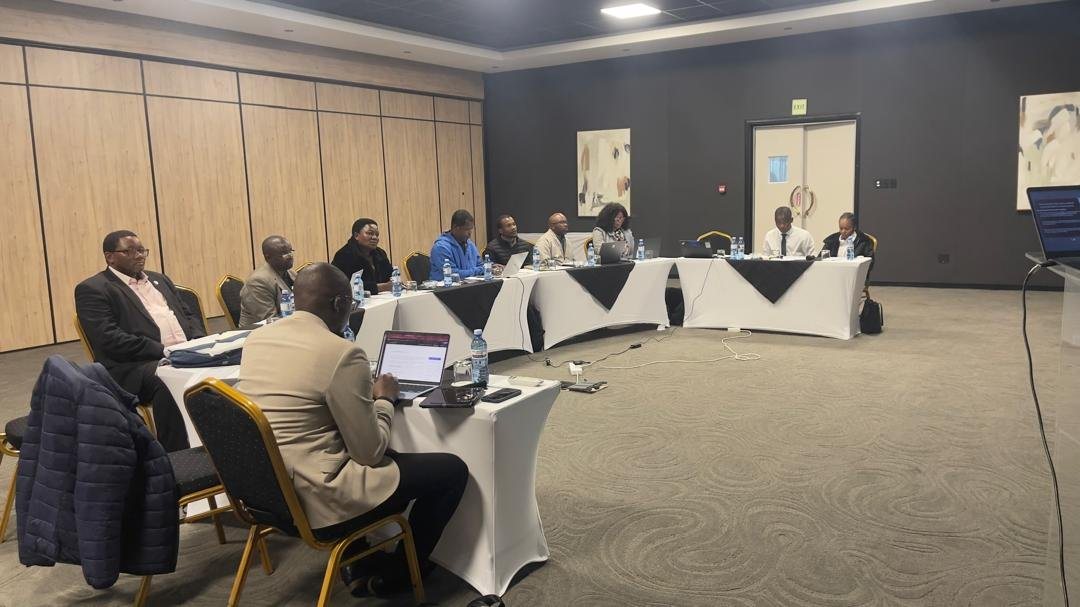 CS-PILLARNational studies, designed with governmentIn Eswatini, Uganda and Zimbabwe, national working groups are shaping studies on seed systems, post-harvest management and community animal health workers.See the programme →
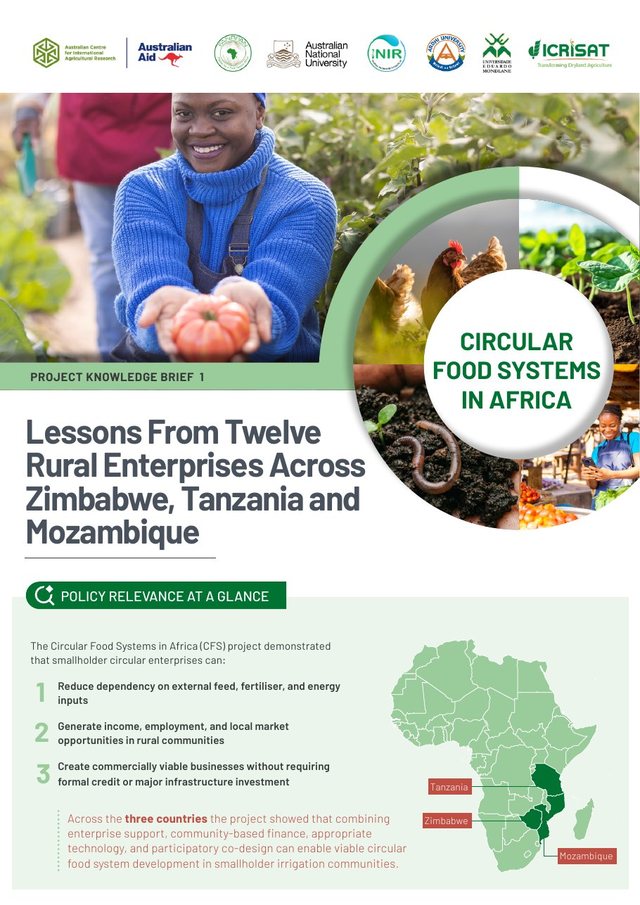
 Circular Food SystemsLessons from the fieldFour knowledge briefs bring together what the project has learned on rural enterprises, lead farmers, inclusion and scaling.Read the briefs →
 New studyWho pays to keep irrigation schemes runningA study of small irrigation schemes looks at the cost of keeping them working, and who carries it.Read the story →
 Knowledge HubPolicy briefs and researchOur policy briefs, advisory notes and reports, in one place.Browse the briefs →
Explore