
Past project · 2024 to 2025
SADC Indigenous Food Development Programme
FANRPAN coordinated scoping studies on indigenous foods in 15 SADC Member States, informing a regional programme to strengthen indigenous food value chains, improve nutrition and reduce reliance on food imports.
- 15
- Member States studied
- 3
- reports
- WFP
- financial support
About the study
Why indigenous foods matter
The SADC region is rich in indigenous foods, including pulses, cereals, tubers and fruits. They are diverse in nutrients, resilient to climate variability and need fewer agrochemicals, yet most of their value chains remain underdeveloped, with limited data, weak market infrastructure and low consumer demand.
The SADC Secretariat, with support from the World Food Programme, is developing an Indigenous Food Development Programme to improve the availability and use of these foods, support investment and reduce dependency on imports. It is aligned with SADC Vision 2050 and the Regional Indicative Strategic Development Plan 2020 to 2030.
FANRPAN coordinated the scoping studies behind the programme. Each study was led by a country expert and combined a review of existing research with stakeholder consultation: eight countries had a desk study with a validation meeting, and seven had fuller studies with key informant interviews and validation workshops. The findings were brought together in a regional synthesis report and a regional strategy.
“The rich diversity of indigenous foods within the SADC region is celebrated, preserved and promoted, ensuring their sustainable use and contribution to transformed food systems.”
Vision, SADC Indigenous Food Development Programme Regional Strategy
Indigenous foods
From the scoping study
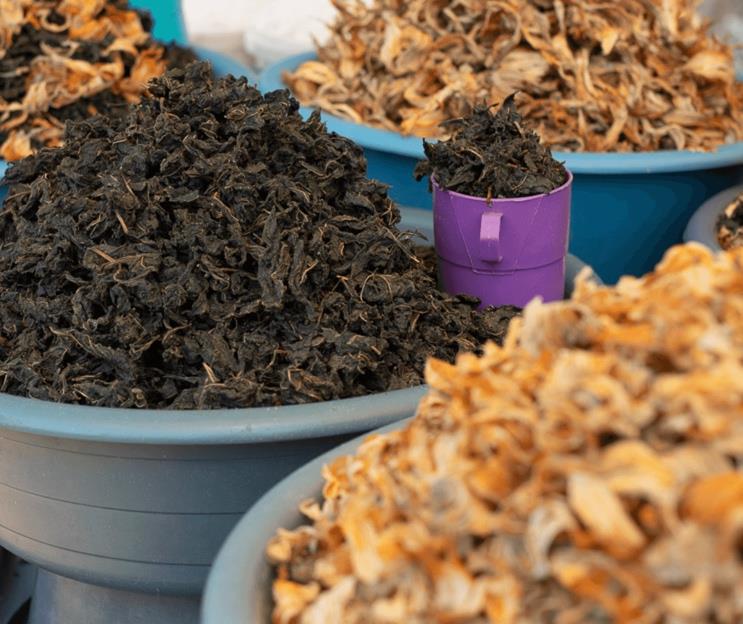
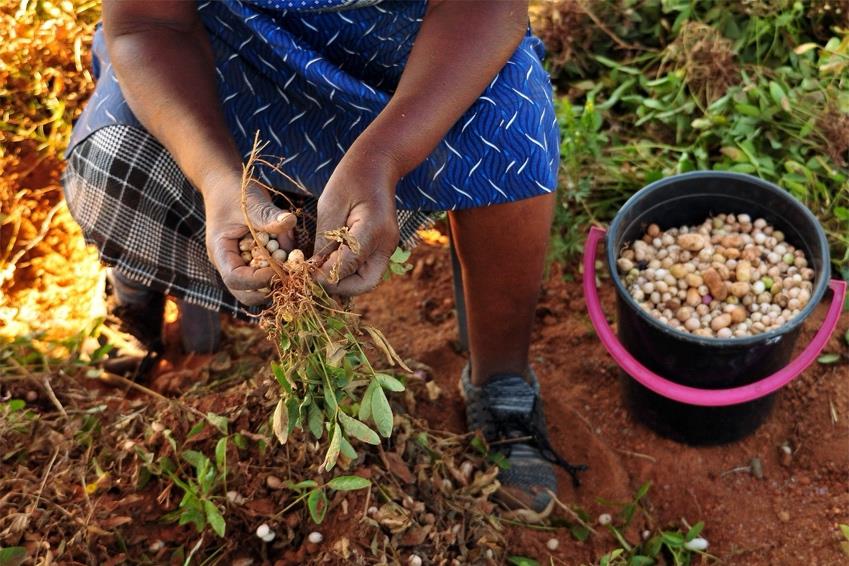
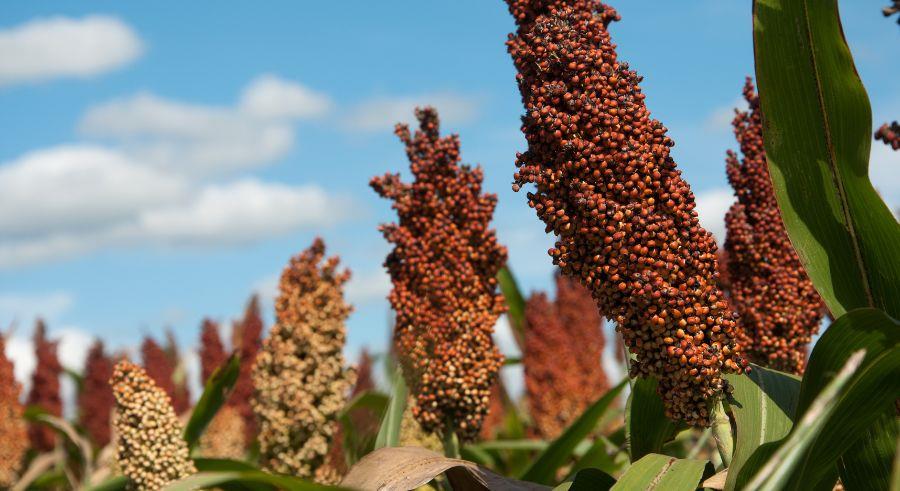

Photographs from the Scoping Study Report summary.
Publications
Reports and strategy
 Report · July 2024Scoping Study on Indigenous Foods: Regional Synthesis ReportSADC region, 15 Member StatesIndigenous foodsPDF, 951 KB
 Strategy · August 2024SADC Indigenous Food Development Programme: Regional StrategySADC regionIndigenous foodsPDF, 370 KB
 Summary reportIndigenous Food Development Programme: Scoping Study Report (summary)SADC regionIndigenous foodsPDF, 1.7 MB
Explore more