
October 2026
Eswatini shows what it takes for seed commitments to reach farmers
Africa has agreed many commitments on seed. For a farmer, the question is simpler. Can she find seed she can afford and trust, in time for the planting season?
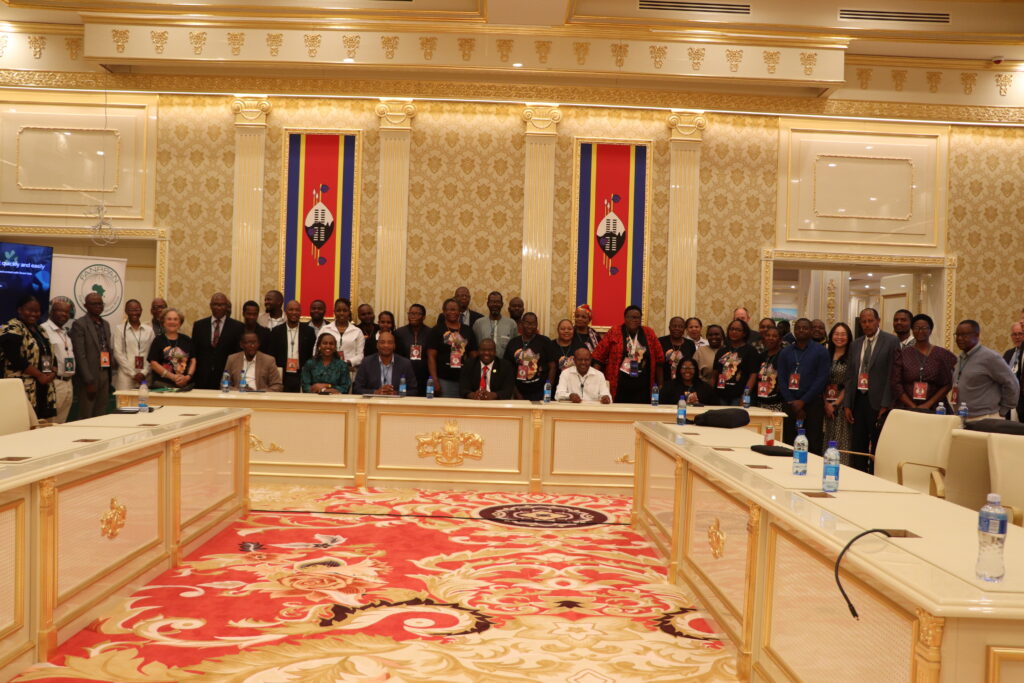
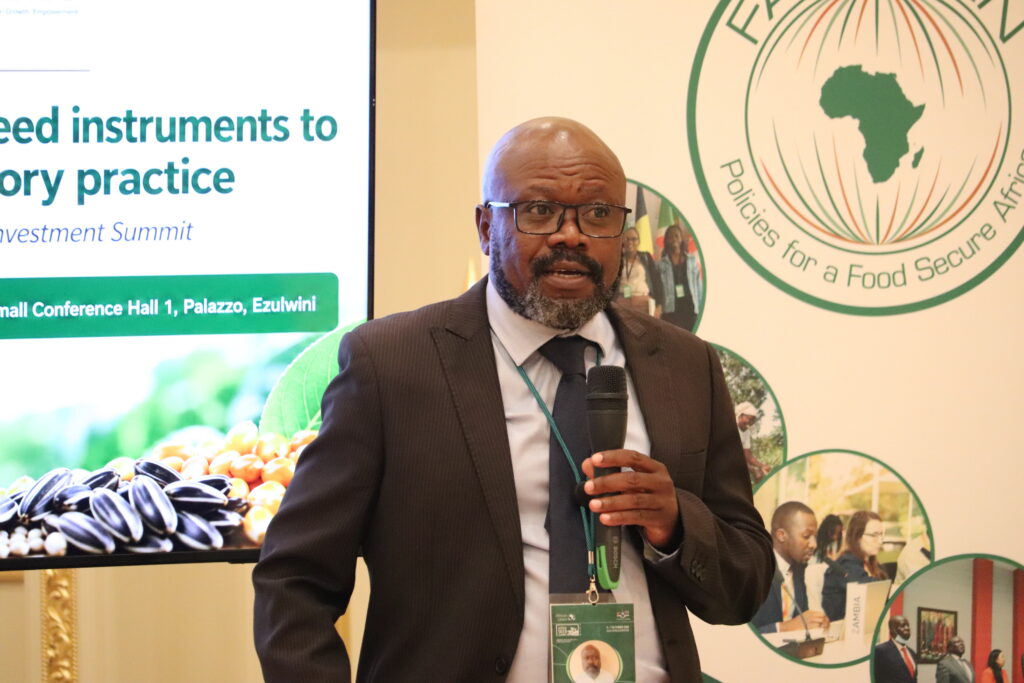
That question framed a side event at the African Union Seed Investment Summit in Ezulwini on 6 October. FANRPAN convened it with Eswatini's Ministry of Agriculture and the Coordinating Assembly of Non-Governmental Organisations, and the Principal Secretary of the Ministry, Mr Sydney Simelane, chaired it.
Eswatini offered itself as a live case. Mr Simelane described real progress. The country's score on the Seed Sector Performance Index rose from 6.15 in 2023 to 6.38 in 2025, and new regulations in 2023 brought national seed law into line with the regional systems agreed by Southern and Eastern African countries. But the gaps are clear. Eswatini grows only a small share of the maize seed it needs. It has three seed inspectors for the whole country, and little capacity to breed new varieties. "The instruments are in place," he said. "The capacity to implement them has not yet caught up."

To close that gap, the Ministry endorsed the National Seed Committee in July 2026 as the country's technical platform on seed. Its Chairperson, Mr Sandile Makama, said the Committee had been dormant for a long time and is now moving quickly. Its first tasks are a national study of the seed system, guidelines for seed produced by communities, and recognised standards for laboratories and inspectors. He also stressed the need to stop counterfeit seed crossing the borders, and to store seed safely between seasons. "We have no time to waste," he said.
FANRPAN's Chief Executive Officer, Dr Tshilidzi Madzivhandila, recalled the network's earlier work on regional seed rules with Eswatini and its neighbours, and said those steps still need to be completed. FANRPAN now supports the Committee through its CS-PILLAR programme, and wants the work to last. It should not remain a pilot or a project, he said, but become part of how the country runs its seed system.
Voices from the panel
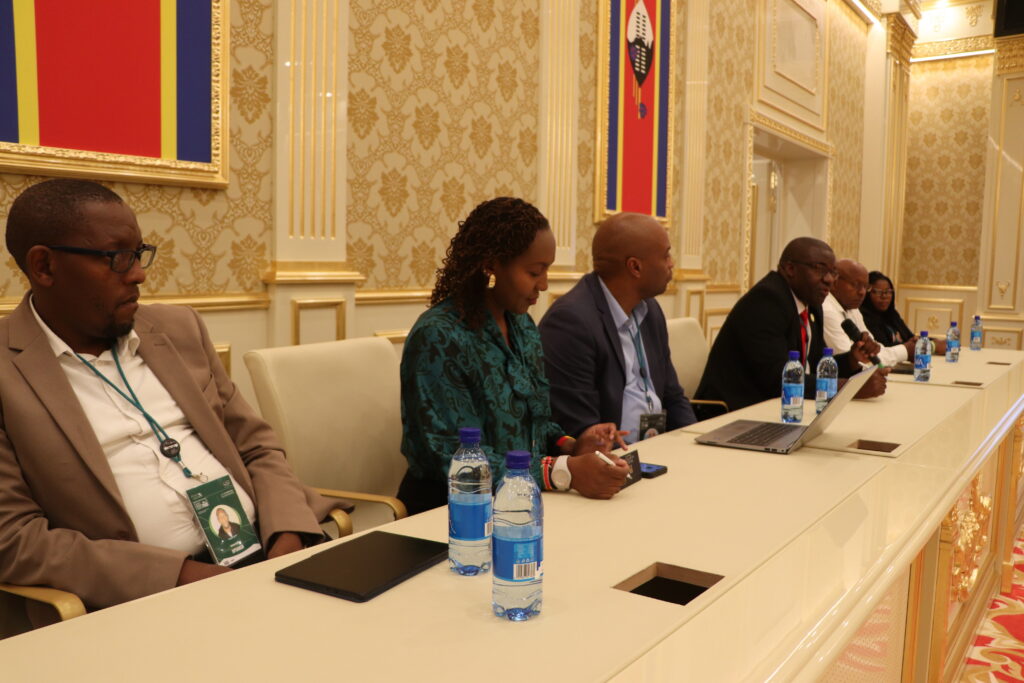
Dr Justify Shava, who leads the plant genetic resources centre of the Southern African Development Community, said most member countries are now bringing the regional seed rules into their national laws. Once they do, seed can move across a much larger regional market.
Mr Michael Waithaka of The African Seed Access Index explained how its findings can help a country decide where to act first, from breeding new varieties to inspection and growing more seed at home.
Ms Zakithi Sibandze of the Swaziland Rural Women's Assembly spoke for the farmers who have kept traditional seed for generations. She asked that their varieties, with the taste, colour and aroma people value, be protected rather than replaced, and that rural women be part of decisions and receive the information they need.
Mr Tammy Dlamini of the Eswatini National Agricultural Union asked why reform moves so slowly, and why farmers can still wait weeks into the season for seed. Money spent on seed mostly leaves the country, he said. Eswatini's farmers should become seed suppliers to the region, not only buyers.
Ms Catherine Langat of the Food and Agriculture Organization of the United Nations brought these views together. No country can do everything alone, she said, and public, private and farmer seed systems each have a place. The aim should be to work together, not to compete. The question to keep asking is whether policies are being put into practice.
What comes next
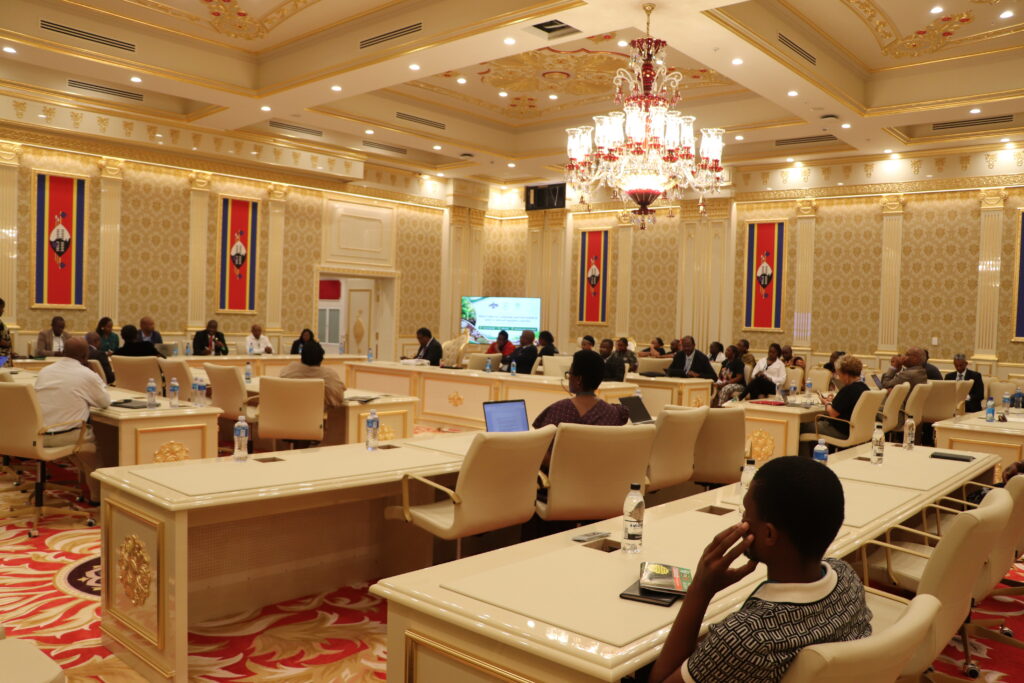
The messages from the session will be shared with the Summit organisers and the African Union Commission. In Eswatini, the National Seed Committee will begin its national seed system study, with support from the Coordinating Assembly of Non-Governmental Organisations and FANRPAN.
The National Seed Committee's work is supported through FANRPAN's CS-PILLAR programme, funded by the Judith Neilson Foundation. The programme also supports policy work on maize post-harvest management in Uganda and on community animal health workers in Zimbabwe.