
By: Dr. Tshilidzi Madzivhandila, CEO & Head of Mission, FANRPAN
New evidence shows that most working women in sub-Saharan Africa earn their livelihoods in agrifood systems, yet face persistent gaps in land rights, digital access, income security and voice. Here’s what must change.
Evidence we cannot ignore
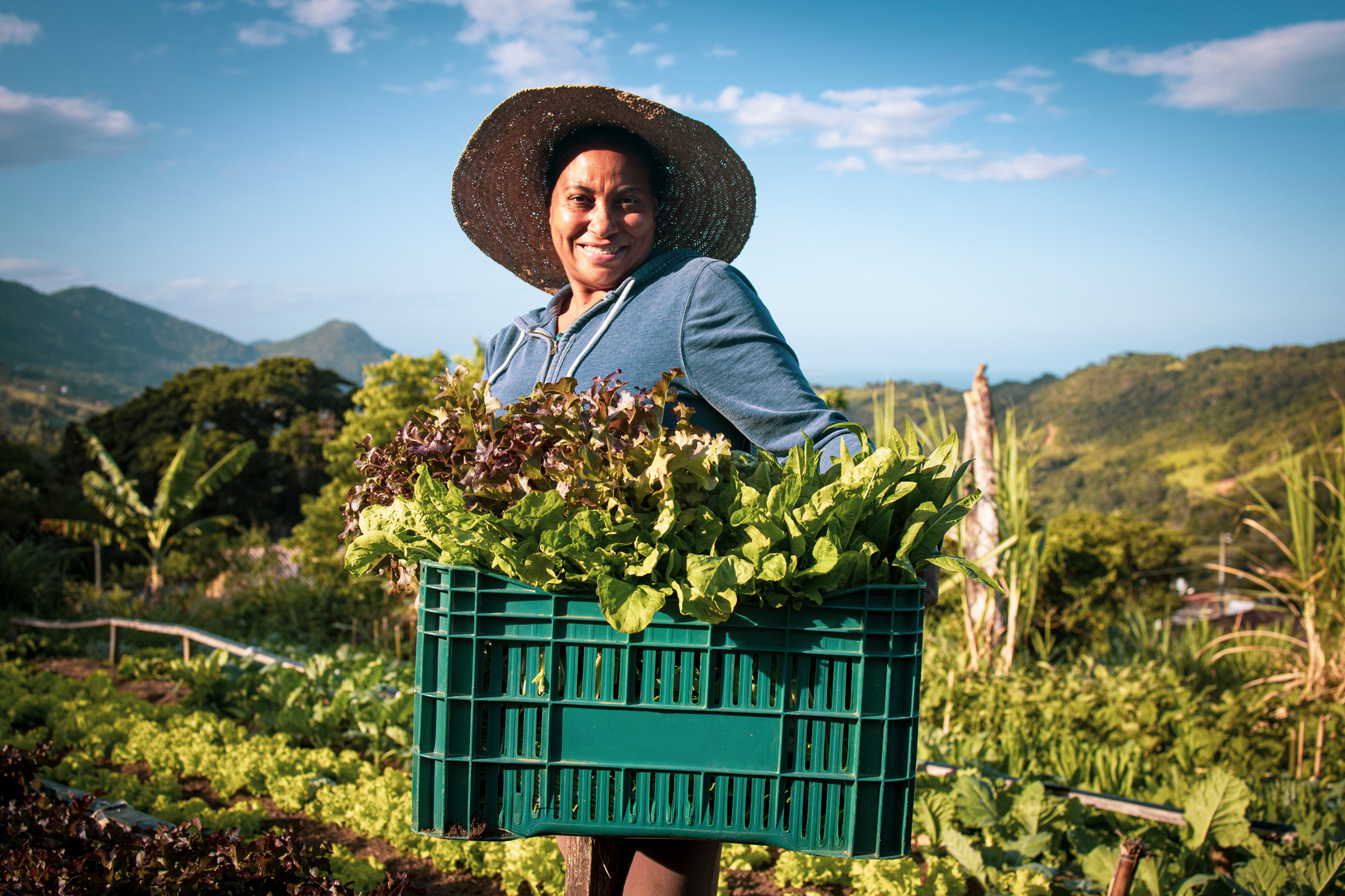
Agrifood systems are the largest source of work in sub-Saharan Africa, especially for women. In 2022, 76% of working women (and 68% of men) were employed somewhere along the food system. Women comprise nearly half (49%) of the total agrifood workforce. Yet, food and nutrition insecurity remains stubbornly high and gendered. In 2024, 64.2% of women and 62.7% of men experienced moderate or severe food and nutrition insecurity. This translates to 11.2 million more women than men.
Access to resources is still unequal. In sub-Saharan Africa, 28 of 33 countries with available data, a larger share of men than women own or hold secure rights over agricultural land. Further, in over 40% of those countries the gender gap exceeds 20 percentage points. The digital divide also holds women back. Women are 29% less likely than men to use mobile internet; an estimated 205 million women in the region remain offline.
Finally, women’s work is shifting across the value chain, with off-farm agrifood employment for women rising from 21% to 29% (2005–2022); however, jobs often remain informal, poorly protected and low-paid.
What is the bottom line:? Women keep Africa’s food systems running ; that is from farms to processing, trade and care work. It is disheartening that policy and investment still lag behind the evidence.
Five policy shifts to close the gap (starting now)
- Decent work & social protection for informal workers: Expand tailored social protection for women in informal agrifood roles, invest in infrastructure (child-care, water, energy) to reduce time poverty, and enable access to better-paid work.
- Secure land, water and forest rights: Strengthen statutory and customary protections, improve implementation, and ensure women’s representation in resource governance to make rights real in practice.
- Gender-just innovation and extension: Make women co-designers and beneficiaries of technology, finance and digital tools, and close gaps in extension and advisory services and digital financial inclusion.
- Recognise, reduce and redistribute unpaid care: Promote flexible work, and engage men in care, and finance services that free women’s time for enterprise and leadership.
- Invest in women’s leadership and collective action: Support back women’s cooperatives, savings groups and producer organisations, and embed empowerment metrics (e.g., WEAI/WEMNS) in national plans and programme Monitoring, Evaluation and Learning (MEL).
What FANRPAN will do:
- Mainstream gender metrics across our policy dialogues and programmes, aligning with CAADP and Agenda 2063 deliverables.
- Prioritise women’s land and resource rights in our regional policy engagement and evidence products.
- Convene partners to scale gender-just innovation through bringing researchers, extension, private sector and women’s groups into the same design room.
- Champion safety and dignity across agrifood workplaces and markets through policy and practice.
Acknowledgement: This blog reflects insights from The Status of Women in Agrifood Systems in Sub-Saharan Africa (2025) by FAO, AWARD and NRI.