
Past project | 2013 to 2023
TISA
Transforming Irrigation in Southern Africa
- Period
- 2013 to 2023, in two phases
- Countries
- Mozambique, Tanzania, Zimbabwe
- Funder
- ACIAR
- Lead
- Australian National University
- Schemes reached
- 41
- Status
- Past project
Why TISA
Irrigation schemes that pay their own way
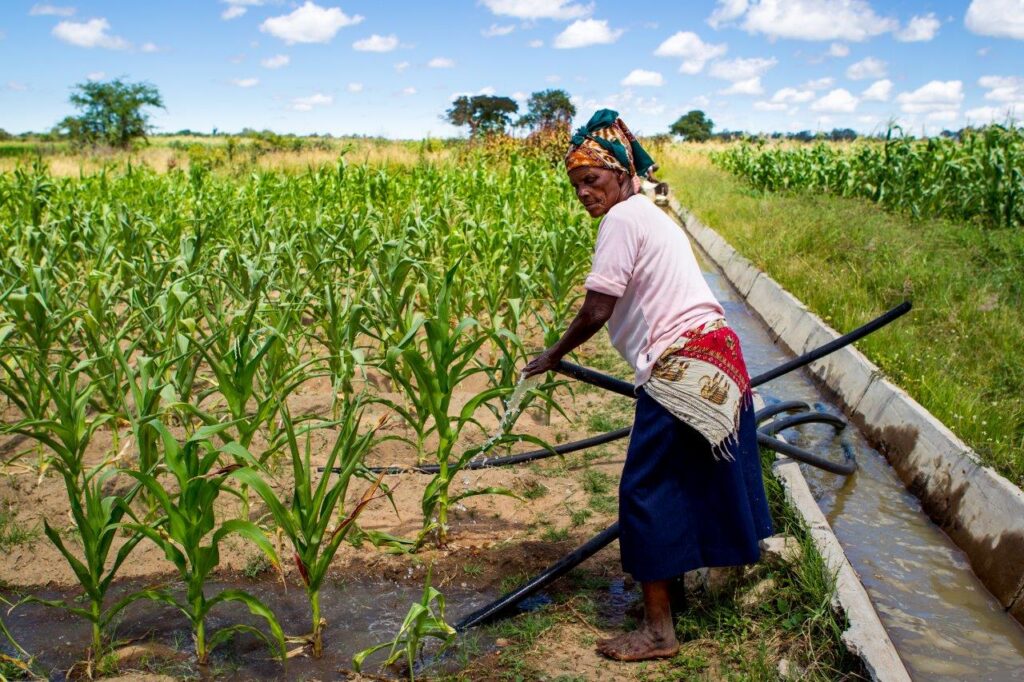
Small irrigation schemes can lift farm incomes, but many in southern Africa were stuck: low yields, wasted water and canals no one could afford to repair.
TISA bet on three simple ingredients working together. When farmers can see what their soil needs, solve problems with the people around them, and have policies that back them, a scheme can start paying for itself.
ToolsSee the water
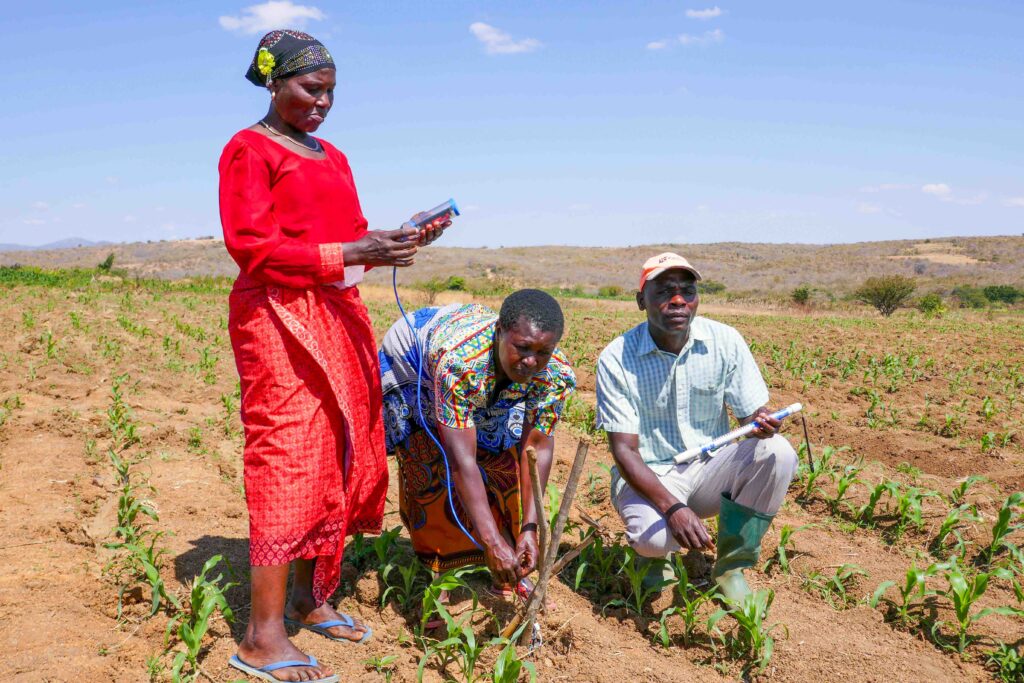
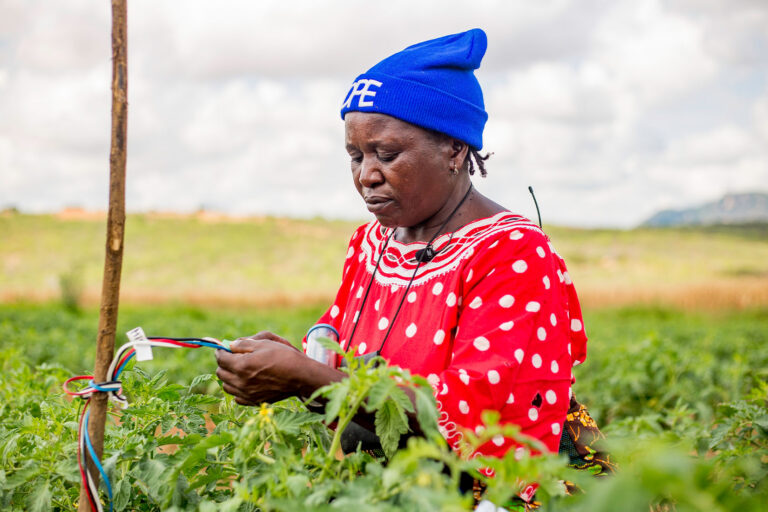
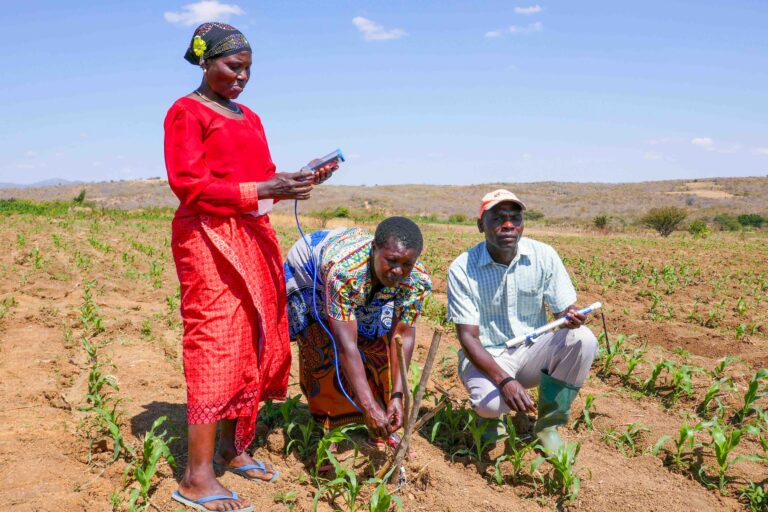
Simple soil moisture sensors show farmers when to irrigate and for how long, so less water and labour go further.
PlatformsSolve it together
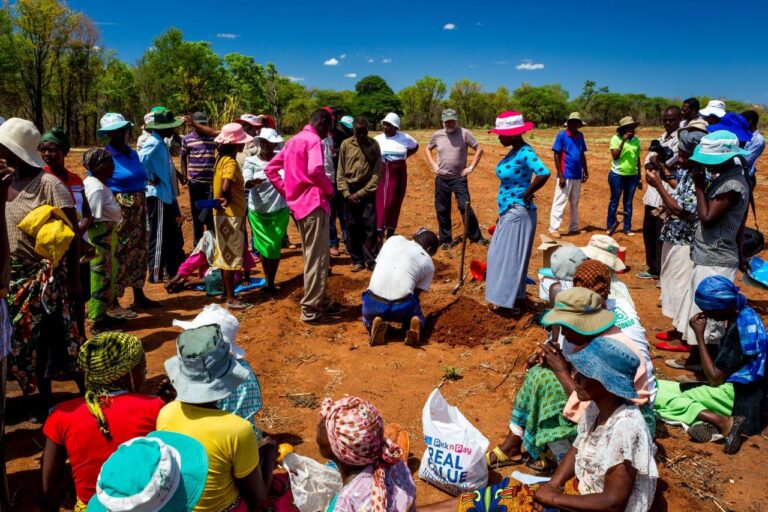
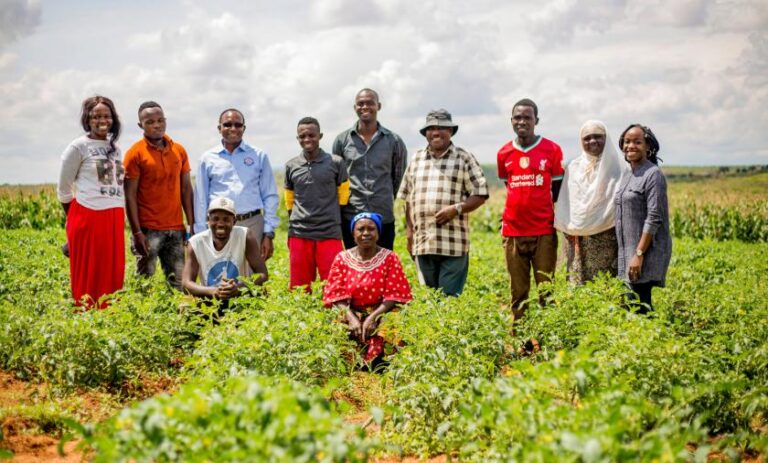
Agricultural Innovation Platforms bring farmers, government officers, traders and input suppliers to one table to fix what holds a scheme back.
PolicyBack it at scale
FANRPAN carried the evidence to governments, regional bodies and funders, so that what worked on a few schemes could spread to many.
41irrigation schemes worked with through district innovation platforms
15,000+farmers on those schemes
930sets of soil moisture sensors installed
276government officers trained to run innovation platforms
Second phase, June 2017 to June 2023. Source: final report to ACIAR.
This project aims to improve farmer livelihoods, equity and community management in smallholder irrigation schemes in southern Africa.
ACIAR project LWR/2016/137
On the ground
What changed on the schemes
ZW
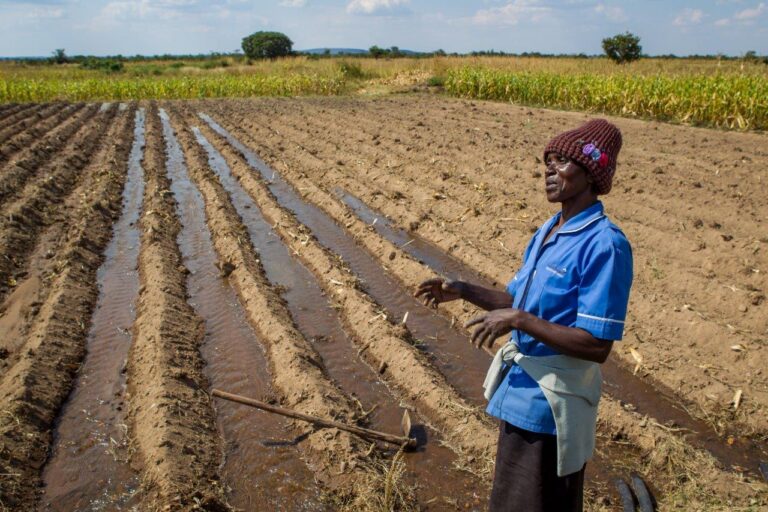
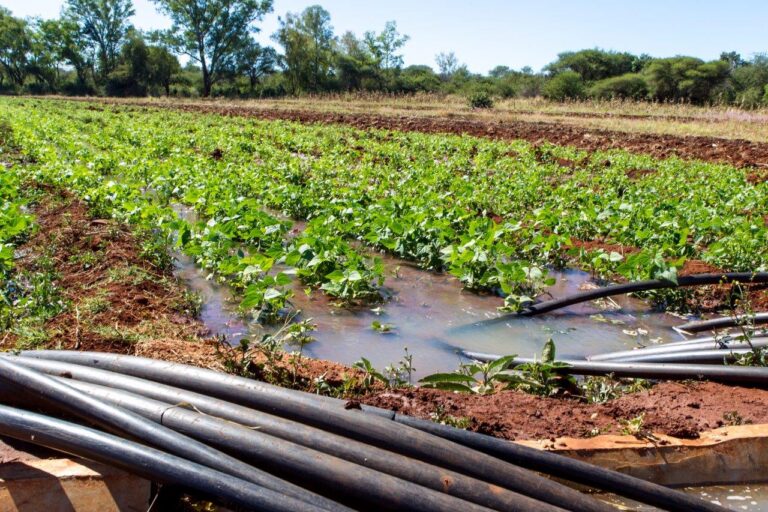
Zimbabwe: more crop from every drop
Maize water productivity rose from 0.20 kg per cubic metre in 2013/14 to 1.28 kg in 2017. By 2021, 94% of early adopters were still using the new practices.
MZ
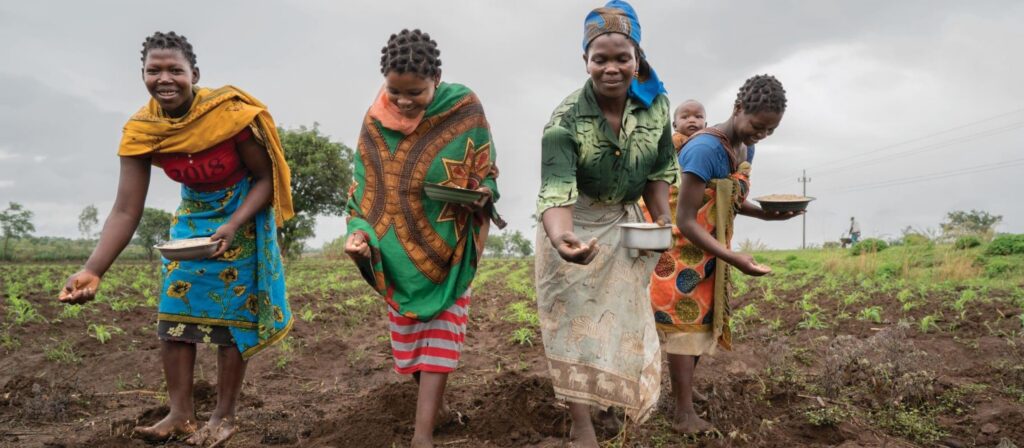
Mozambique: steadier harvests in hard years
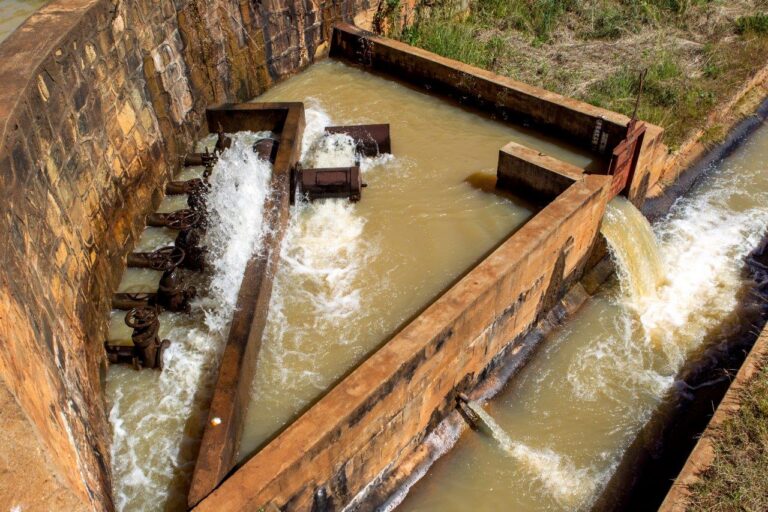
After COVID-19 (2020/21), yields fell 15% for farmers using the tools, against 34% for those who did not. Farmers also moved into green maize, cabbage, beans and cucumber.
TZ
Tanzania: less time, better timing
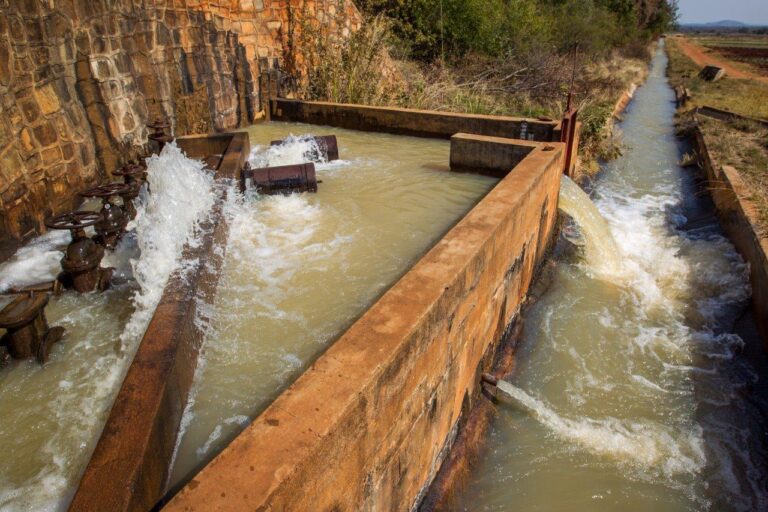
By 2021, 71% of households had changed how often they irrigate and 78% of farmers had cut irrigation time. Around 530 people took part in innovation platform sessions.



What it set out to do
About the project
The first phase, “Increasing irrigation water productivity in Mozambique, Tanzania and Zimbabwe through on-farm monitoring, adaptive management and agricultural innovation platforms”, began in 2013. The second phase, “Transforming smallholder irrigation into profitable and self-sustaining systems in southern Africa”, ran from June 2017 to June 2023. It worked out how to take what worked to many more schemes, and to district and national level.
TISA was funded by the Australian Centre for International Agricultural Research (ACIAR) and led by the Australian National University. Partners included CSIRO, the University of South Australia, ICRISAT, FANRPAN, Ardhi University in Tanzania and the National Institute of Irrigation in Mozambique. The Circular Food Systems programme builds on this work with the same lead, partners and funder.
Second-phase objectives
Results
What TISA achieved
Figures are from the project’s final report to ACIAR (2023), unless another source is shown.
- 12 district innovation platforms set up, against a target of five, working with 41 irrigation schemes and more than 15,000 farmers.
- 930 sets of soil moisture sensors installed, with farmers trained to use them.
- 276 government officers trained to run innovation platforms.
- Extension staff in all three countries trained to map farm plots, and 13 schemes mapped.
- A guide to better irrigation practice published in English, Portuguese and Swahili.
- Mozambique now uses project data in its national database of irrigation schemes. In Zimbabwe, the government extension service is rolling out the tools across Matabeleland North as a national pilot.
- More than 40 journal articles and book chapters, including special issues of the International Journal of Water Resources Development.
- Gold Award, Ecosystem Development category, 2022 EFMD Excellence in Practice Awards (European Foundation for Management Development).
The journey
A decade of work, 2013 to 2023
From a handful of pilot schemes to district platforms, national uptake and regional policy dialogue.
Track record
- 2013Mozambique, Tanzania, Zimbabwe
The first phase begins: soil moisture tools and innovation platforms are tested on pilot schemes.
- 2015Zimbabwe
FANRPAN presents alongside ICRISAT, Ardhi University and ANU at a workshop on an integrated approach to irrigation development in Harare (July).
- 2016Partners
Partners record short films on the changes they are seeing, including FANRPAN’s Sithembile Ndema (April). Findings are shared at the African regional conference of the International Commission on Irrigation and Drainage in Aswan, Egypt.
- 2017Second phase
From June, ACIAR funds the second phase to take the approach to many more schemes and to district and national level.
- 2018Regional and Mozambique
ACIAR publishes a farmers’ guide to transforming irrigation schemes, co-written with FANRPAN. FANRPAN publishes pathway briefs for Tanzania and Zimbabwe and co-convenes a national dialogue in Mozambique.
- 2019Tanzania
TISA policy dialogue in Dodoma on 21 August, with the Economic and Social Research Foundation and Ardhi University.
- 2021Regional
FANRPAN publishes success stories and a brief on how better schemes help countries meet their CAADP Malabo targets.
- 2022Global
Gold Award at the EFMD Excellence in Practice Awards. TISA is presented at COP27, including an official FANRPAN side event on 14 November.
- 2023Regional
FANRPAN hosts the regional climate-smart agriculture dialogue in Pretoria, 13 to 15 March. The second phase closes in June, and Circular Food Systems builds on its work.
Our part
FANRPAN’s role
FANRPAN led TISA’s policy work. We turned the research into policy options and carried them to governments, regional bodies and funders.
Our national nodes and policy dialogues were the bridge between what worked on the schemes and the people who set irrigation policy and budgets.
Evidence into CAADP reporting
TISA findings informed reporting formats for the CAADP Biennial Review. We then convened a regional dialogue on the Third Biennial Review results to explore how to scale up irrigation.
National dialogue on irrigation
Convened with the Ministry of Agriculture and Food Security and our Mozambique node at Eduardo Mondlane University, on irrigation and post-harvest management.
Policy dialogue in Dodoma
Co-organised with the Economic and Social Research Foundation and Ardhi University.
Climate-smart agriculture dialogue
Hosted “Transitioning to climate-resilient farming systems in Sub-Saharan Africa” at the University of Pretoria’s Future Africa Campus.
On the UN climate stage
A COP26 side event with COMESA and the Global Roundtable for Sustainable Beef, an official FANRPAN side event at COP27 on 14 November 2022, and the ACIAR side event at the Australian Pavilion.
Briefs that travelled
Our policy briefs reached more than 350 key stakeholders across FANRPAN’s national nodes.
Opening doors to funders
We used our networks to bring the African Development Bank into the project’s engagement with irrigation funders.
Working together
Partners
 The Australian Centre for International Agricultural Research (ACIAR) funded both phases of TISA. The second phase ran as ACIAR project LWR/2016/137.

Australian National UniversityAustralia

CSIROAustralia
University of South AustraliaAustralia

International Crops Research Institute for the Semi-Arid Tropics (ICRISAT)International research

Ardhi UniversityTanzania
National Institute of Irrigation (INIR)Mozambique

FANRPANRegional policy network
Resources
Publications and further reading
Policy briefs
Journal articles and special issues
Reports, project pages and guides
Watch
Videos from TISA
Films from the 2023 regional dialogue that FANRPAN hosted to share TISA’s lessons, and partners talking about the project.
 6:232023 Regional Climate-Smart Agriculture Policy Dialogue
 7:02:332023 Regional Climate-Smart Agriculture Policy Dialogue: Day 1 (livestream)
 6:22:342023 Regional Climate-Smart Agriculture Policy Dialogue: Day 2 (livestream)
 4:50:042023 Regional Climate-Smart Agriculture Policy Dialogue: Day 3 (livestream)