
Gaborone, Botswana — 6–7 October 2025
Over 120 young agripreneurs from across the Southern African Development Community (SADC) region gathered in Gaborone for the inaugural SADC Youth in Agri-Food Systems Trade Fair and Expo (SYAS2025) — a milestone event designed to amplify youth-led innovation, entrepreneurship, and policy engagement in agriculture and food systems.
Organized by the SADC Secretariat in collaboration with the Government of Botswana and supported by AGRA, the two-day forum brought together youth exhibitors, policymakers, researchers, financial institutions, and private sector actors to explore practical solutions and partnerships that can transform the region’s agri-food systems and accelerate youth economic empowerment.

Photo: AGRA and SADC with youth innovators at SYAS2025, Gaborone (6–7 Oct 2025)—accelerating inclusive, climate-smart
agrifood transformation.
A Platform for Youth Innovation and Entrepreneurship
Against the backdrop of persistent youth unemployment and systemic barriers to economic participation, SYAS2025 provided a powerful platform for young innovators to showcase cutting-edge products, services, and technologies in agriculture. Exhibitors presented a broad range of solutions, including digital agriculture tools, climate-smart innovations, improved animal feed and farm machinery, irrigation systems, greenhouses, fertilizers, and agrochemicals.
It is you, your voice, your momentum, your energy, that is going to push your government to move…
Through the Youth in Employment from Food and Agriculture (YEFFA) program, AGRA is investing at scale in youth employment—targeting 1.5 million work opportunities (2023–2028)—and enabling regional convenings that bring youth voices and data into policy and investment processes. At SYAS2025, this support translated into tangible outcomes: investor and buyer linkages, compliance-to-market advisory services on the expo floor, and high-level policy dialogues centered on youth access to finance, skills development, and cross-border trade opportunities.
Building Partnerships and Expanding Market Opportunities
SYAS2025 illustrated how AGRA’s catalytic support strengthens SADC’s role as a regional convener for agricultural transformation. By aligning policy priorities, mobilizing multi-sectoral partners, and accelerating youth participation in formal markets, the event created a dynamic environment for collaboration.

Photo: Notable partners included CCARDESA, FANRPAN, FAO, and youth networks from SADC Member States.
Youth and Policymakers in Dialogue
One of the defining features of SYAS2025 was the policy engagement sessions, where youth participants interacted directly with ministers, senior government officials, and regional experts. These exchanges focused on improving the enabling environment for youth in agriculture and aligning youth-led initiatives with continental and regional frameworks such as the Comprehensive Africa Agriculture Development Programme (CAADP), the SADC Regional Agricultural Policy, and the African Continental Free Trade Area (AfCFTA).
Participants shared insights on the barriers they face—such as limited access to finance, markets, and infrastructure—while also proposing practical policy reforms to support youth-driven agribusiness growth.
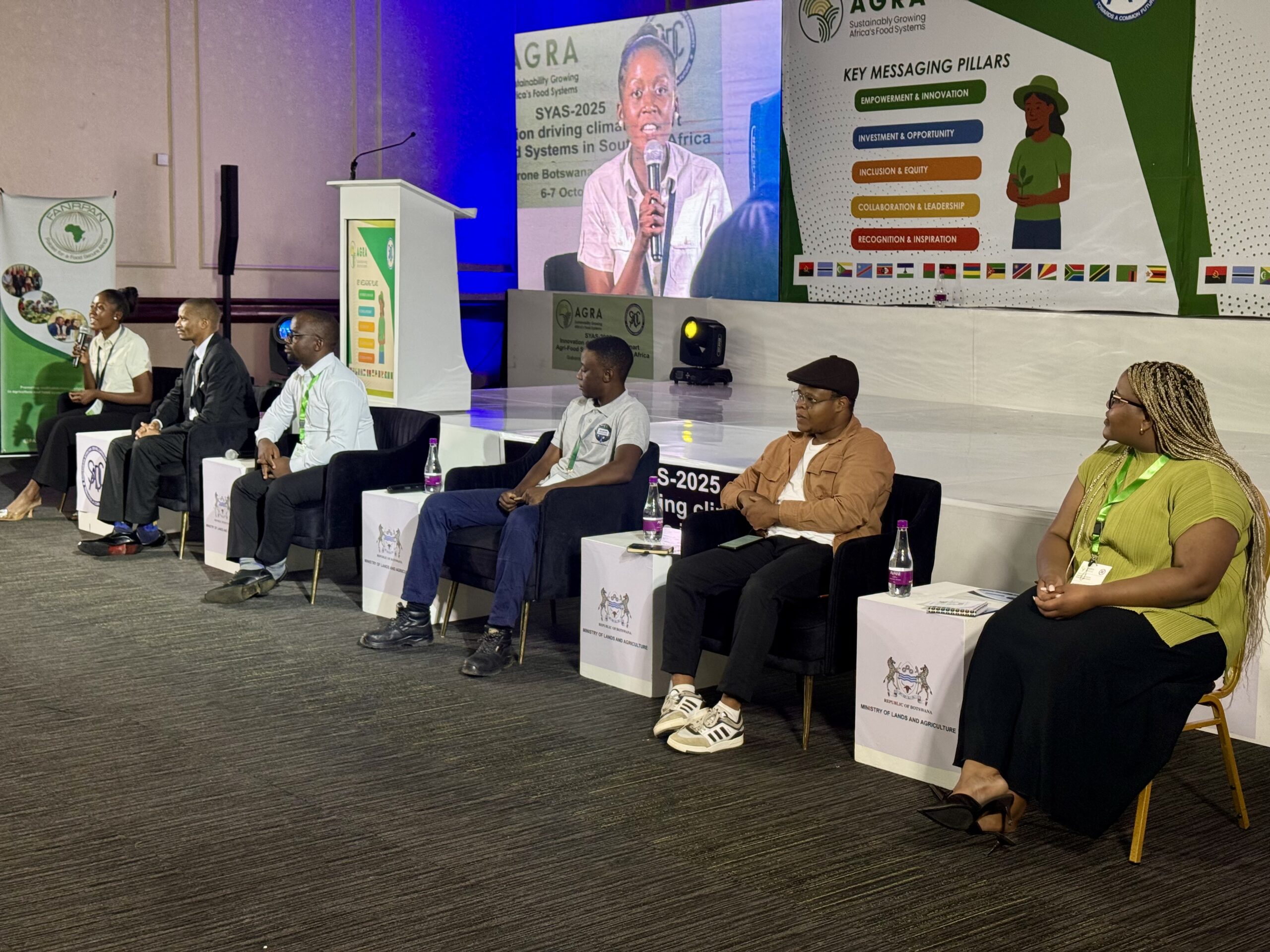
Photo: Youth voices panel: Emerging agripreneurs share financing, market access and leadership experiences at SYAS2025.
Towards a More Inclusive Future
SYAS2025 aligns with SADC’s broader goal of empowering young people to play a central role in agricultural transformation. By connecting youth with policymakers, investors, and technology providers, the event aimed to bridge gaps, amplify youth voices, and strengthen their role in shaping sustainable agri-food systems.
Closing the event, a senior official from the Government of Botswana noted, “When young people are given the right platforms, they can shape the future of food systems. SYAS2025 is not the end—it’s the beginning of a regional movement.”
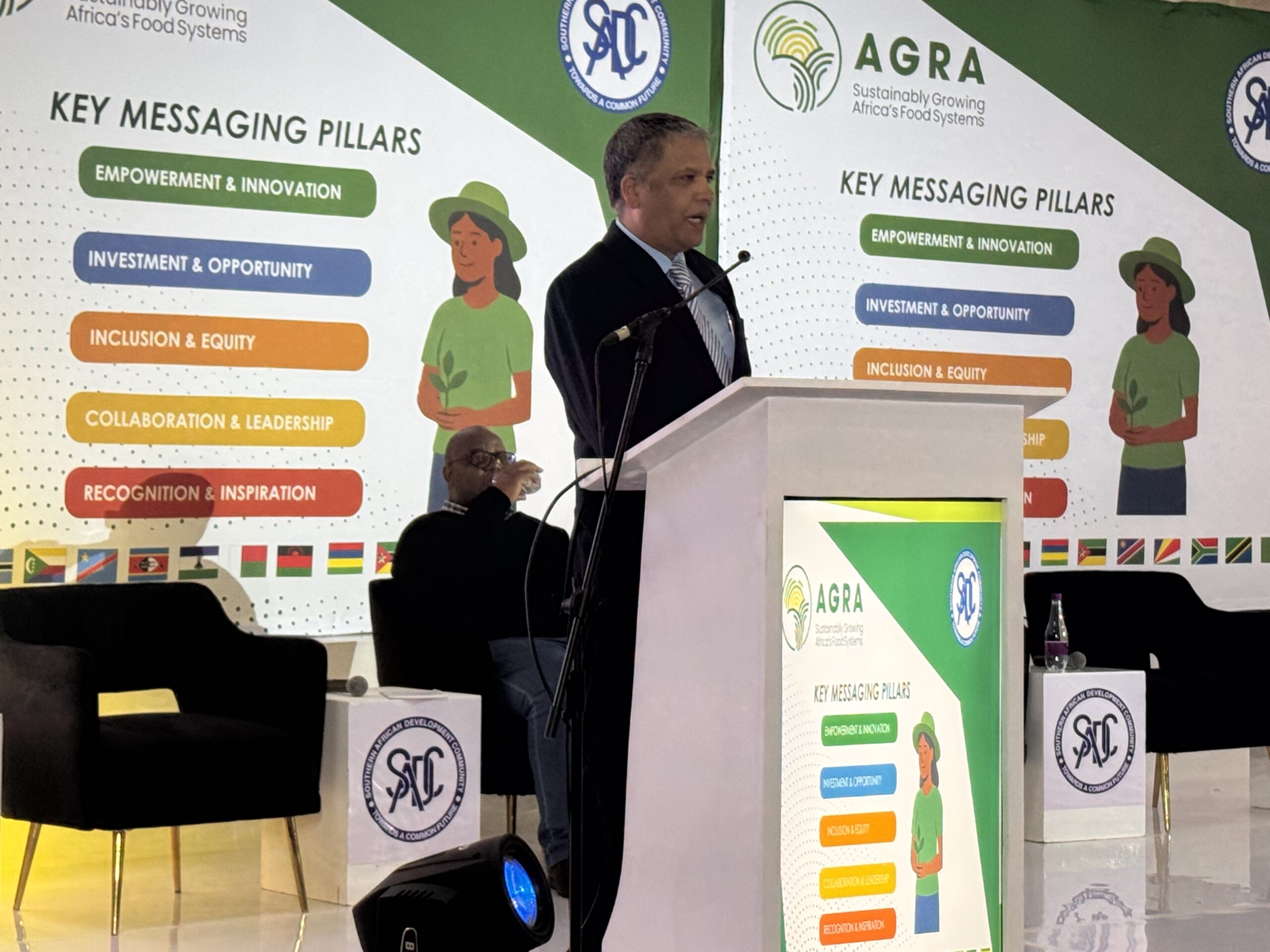
When young people are given the right platforms, they can shape the future of food systems. SYAS2025 is not the end—it’s the beginning of a regional movement.