
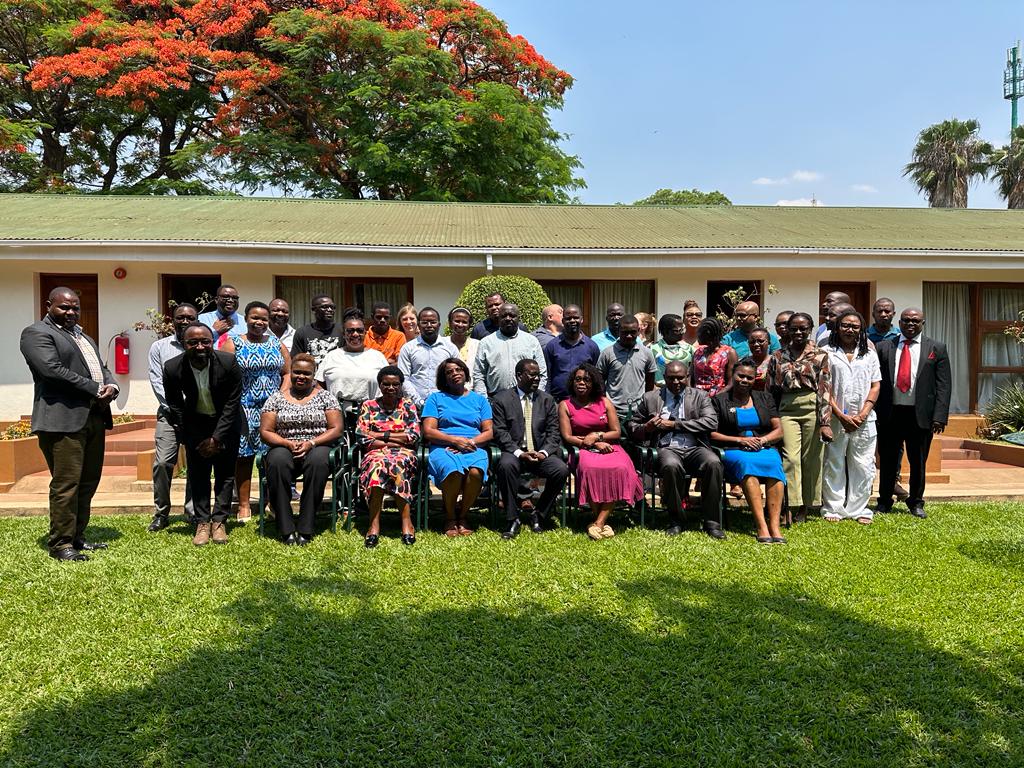
On 15th July, Malawi hosted a National Policy Dialogue on Food Systems Transformation towards One Health in Lilongwe, convened under the Food Systems Transformation in Southern Africa for One Health (FoSTA-Health) project. The Dialogue brought together policymakers, researchers, farmers, civil society, private sector actors, and development partners to reflect on how Malawi’s food systems can drive healthier people, healthier environments, and inclusive growth.
FoSTA-Health project is a multi-country research initiative being implemented in Malawi, Tanzania, Zambia, and South Africa. It is jointly led by global and African partners, including Wageningen University, the University of Leeds, and Czech Globe, alongside African institutions including FANRPAN, Kulima, and universities in the implementing countries. In Malawi, FANRPAN and Civil Society Agriculture Network (CISANET) led stakeholder and policy engagement, while the Malawi University of Science and Technology (MUST) was responsible for research. Together, these partners are working to co-create Representative Transformative Pathways (RTPs) that guide evidence-based decision-making and drive One Health outcomes across the region.
The Policy Dialogue provided a platform for evidence-based discussions on the intersections of food, nutrition, agriculture, and health. Subthemes included soil and water management, crop diversification beyond maize, integration of livestock and animal life, and gender and nutrition. Through plenary sessions, breakout groups, and interactive displays, participants examined pressing challenges while showcasing innovations and ongoing research.

Deliberations focused on translating policy research and RTPs into actionable strategies aligned with Malawi’s national development agenda and the CAADP Kampala Declaration. Outcomes included policy recommendations, opportunities for improved practices and funding, and stronger coordination among stakeholders.
By convening this Dialogue, the FoSTA-Health project reaffirmed Malawi’s commitment to an inclusive, resilient, and sustainable food systems transformation—anchored in One Health principles that recognize the interdependence of people, animals, and the environment.